
oval led mirror bathroom
The Importance of Butterfly Valve Factories in Modern Industry Butterfly valves are an essential component in various industrial applications, providing efficient and reliable flow control for fluids and gases. The manufacturing of these valves takes place in specialized butterfly valve factories, which play a crucial role in ensuring that industries have access to high-quality products that meet specific requirements. This article delves into the significance of butterfly valve factories, their operational processes, and the impact they have on various sectors. Understanding Butterfly Valves A butterfly valve is a quarter-turn rotational motion valve that uses a flat circular disc (the butterfly) to regulate the flow of a medium. The disc pivots on a shaft to open or close the valve, offering minimal pressure drop and making it suitable for applications in water supply, chemical processing, oil and gas, and HVAC systems. Due to their lightweight design and quick operation, butterfly valves are favored over other types of valves in many situations. The Manufacturing Process Butterfly valve factories employ advanced manufacturing techniques to produce valves that meet stringent industry standards. The process typically involves several key steps 1. Raw Material Selection Quality starts with the selection of raw materials. Factories often use materials such as stainless steel, cast iron, and plastic, depending on the application requirements. Each material has its own benefits, such as corrosion resistance, strength, and ease of fabrication. 2. Precision Machining Using CNC (computer numerical control) machines, manufacturers achieve precise dimensions and tolerances for valve components. This step is critical because even slight deviations can lead to leakage or malfunction. 3. Assembly Once the components are machined, they undergo assembly. This may include the installation of seals and gaskets, which are vital for preventing leaks. Skilled technicians ensure that each valve operates smoothly and correctly. 4. Testing Quality assurance is a significant aspect of butterfly valve manufacturing. Factories conduct various tests, including pressure tests and flow tests, to ensure that the valves function correctly under different conditions. Certifications may also be acquired to comply with industry regulations. 5. Finishing Finally, the valves are treated with protective coatings, such as epoxy or other finishes, to enhance durability and resistance to corrosive environments. Each valve is then labeled and prepared for shipping. butterfly valve factory The Role of Butterfly Valve Factories in Industry Butterfly valve factories are a cornerstone in various industries, providing vital components that ensure safety and efficiency. Here are a few ways they impact modern industry - Energy Sector In oil and gas applications, butterfly valves are essential for regulating the flow of fluids through pipelines. Factories that produce high-quality valves contribute to safer and more efficient energy distribution. - Water Treatment Water treatment facilities rely on butterfly valves to control the flow of water, both in treatment processes and in distribution. Factories producing these valves ensure that clean water is delivered safely and efficiently. - Chemical Processing The chemical industry often requires valves that can withstand high pressures and resist corrosion. Specialized butterfly valve factories that focus on these requirements play a critical role in the overall safety and efficiency of chemical processing plants. - HVAC Systems Butterfly valves are used in heating, ventilation, and air conditioning (HVAC) systems to control airflow. Factories that produce these valves contribute to the effectiveness of climate control in residential and commercial buildings. The Future of Butterfly Valve Manufacturing As industries evolve, so do the technologies used in manufacturing. The introduction of automation and robotics in butterfly valve factories is set to enhance production efficiency while reducing human error. Additionally, the growing focus on sustainability will likely drive manufacturers to develop eco-friendly valves that consume less energy and are recyclable. Moreover, the integration of smart technology into butterfly valves, such as sensors and actuators, will enable remote monitoring and advanced control systems, optimizing performance and maintenance protocols. Conclusion Butterfly valve factories are more than just production facilities; they are vital contributors to the functioning of modern industry. By producing high-quality, reliable valves, these factories ensure that industries can operate efficiently, safely, and sustainably. As technology continues to advance, the role of butterfly valve manufacturers will only become more critical in responding to the demands of a rapidly changing industrial landscape.
about
oval led mirror bathroom
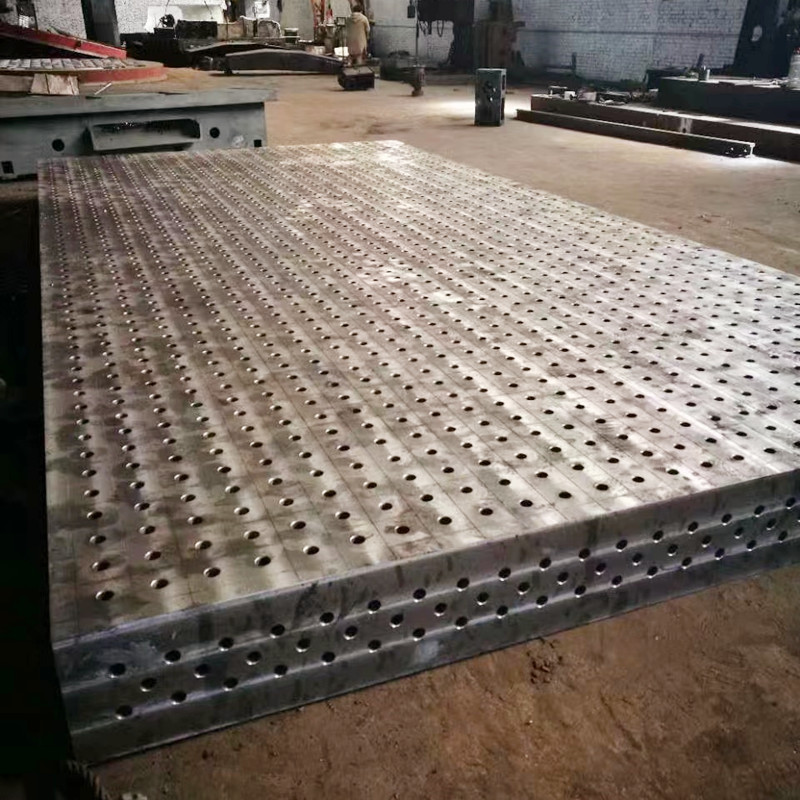
The Precision of Granite Cubes A Deep Dive into Quality and Applications Granite has long been celebrated for its durability and aesthetic appeal, making it a popular choice in construction, sculpture, and various design elements. Among the various forms in which granite is available, the precision granite cube stands out for its unparalleled accuracy and versatility, particularly in industrial applications. What is a Precision Granite Cube? A precision granite cube is a meticulously fabricated block of granite engineered to exhibit high dimensional stability and uniformity. These cubes are used as a reference standard in metrology, which is the science of measurement. Thanks to the inherent physical properties of granite—such as its hardness, resistance to temperature fluctuations, and minimal thermal expansion—precision granite cubes can maintain their shape and size over time. This makes them invaluable tools in manufacturing and engineering, where precision measurement is critical. Manufacturing Process The manufacturing of precision granite cubes requires advanced technology and skilled craftsmanship. The process begins with selecting high-quality granite blocks, which are then carefully inspected for any flaws or inconsistencies. Using specialized machinery, the granite is cut to the desired dimensions, often measuring 100 mm or 200 mm on each side. Following the initial cutting, the cubes undergo grinding and polishing to achieve a remarkably smooth surface finish. This surface quality is essential, as it influences the accurate measurement of various components that come into contact with the cube. Once polished, the cubes are calibrated against known standards using laser interferometry or other advanced measurement techniques. This step ensures that the cubes can serve as reliable references for calibrating other measurement instruments, from micrometers to coordinate measuring machines (CMMs). Applications in Industry precision granite cube Precision granite cubes find a myriad of applications across different sectors. In the manufacturing industry, they are predominantly used for quality control. They serve as a benchmark for inspecting the accuracy of parts produced by machining processes. This capability is crucial, as even the slightest deviation can affect the overall performance of a product, particularly in industries such as aerospace and automotive. Furthermore, precision granite cubes are widely utilized in laboratories for calibration purposes. Their ability to maintain dimensional stability under varying environmental conditions makes them ideal for ensuring that measurement instruments yield accurate results. This application is vital in scientific research, where precise measurements are fundamental to achieving reproducible results. Advantages of Using Granite The use of granite in precision measurement offers several key advantages. First and foremost, granite's natural properties make it highly resistant to wear and deformation. Unlike metals, which may warp over time, granite retains its integrity, providing a long-lasting solution for precision measurement needs. Additionally, granite is not susceptible to rust or corrosion, ensuring that it can be used in a variety of environments without degrading. Moreover, the aesthetic appeal of granite allows it to be utilized not just in industrial settings but also in architectural applications. Many architects and designers opt for precision granite cubes in high-end projects, as they blend functionality with beauty. This trend reflects the increasing demand for materials that are both durable and visually striking. Conclusion In conclusion, precision granite cubes are an essential part of the modern industrial landscape, playing a critical role in ensuring measurement accuracy. Their remarkable properties make them ideal for calibration and quality control across various sectors. As industries continue to prioritize precision and efficiency, the demand for high-quality precision granite cubes is likely to persist, underscoring the value of this timeless material in a rapidly advancing technological world.
-

High quality industrial productsagement

High quality industrial products
View Details -

Meet the diverse needs of customers

Meet the diverse needs of customers
View Details -

Strict quality control

Strict quality control
View Details -

Top raw materials

Top raw materials
View Details -

Trusted supplier

Trusted supplier
View Details
Our application
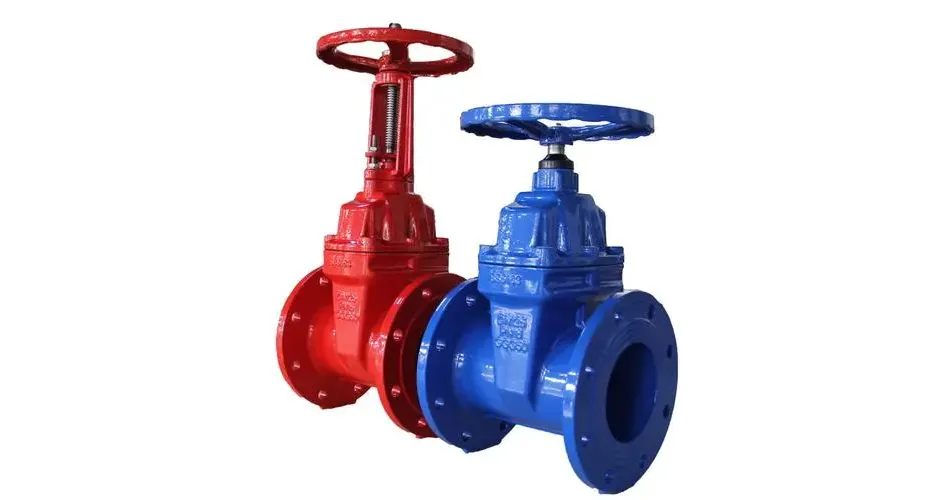
news and information

Vannvalver
Typer Vannventiler Vannventiler er avgjørende komponenter i både husholdninger og industriell infras
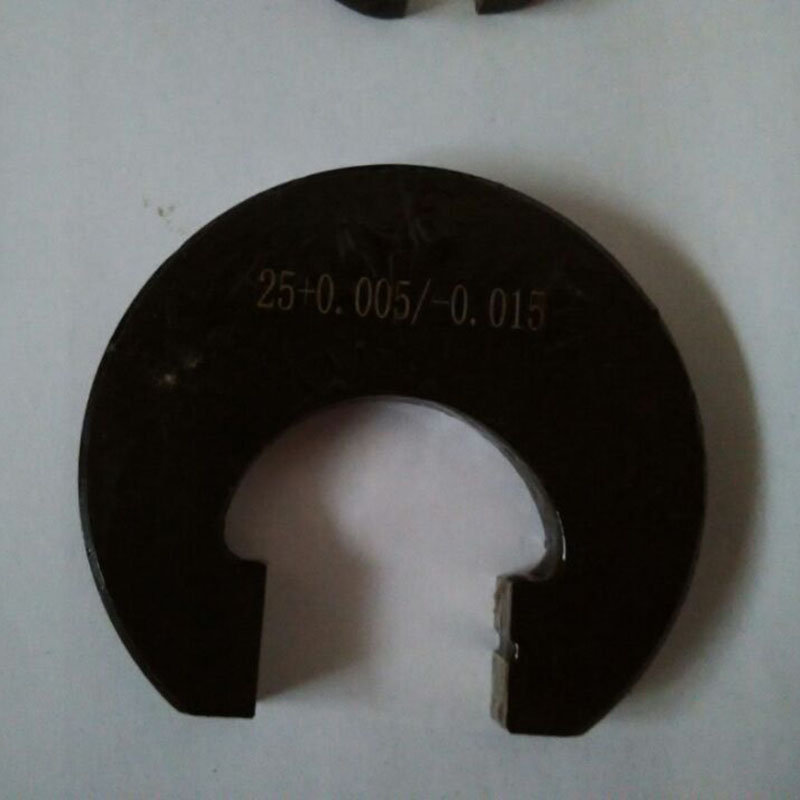
Válvula de esfera de 15 mm para aplicações industriais e residenciais
Válvula Globo de 15 mm Uma Solução Eficiente para o Controle de Fluxo As válvulas globos são compone
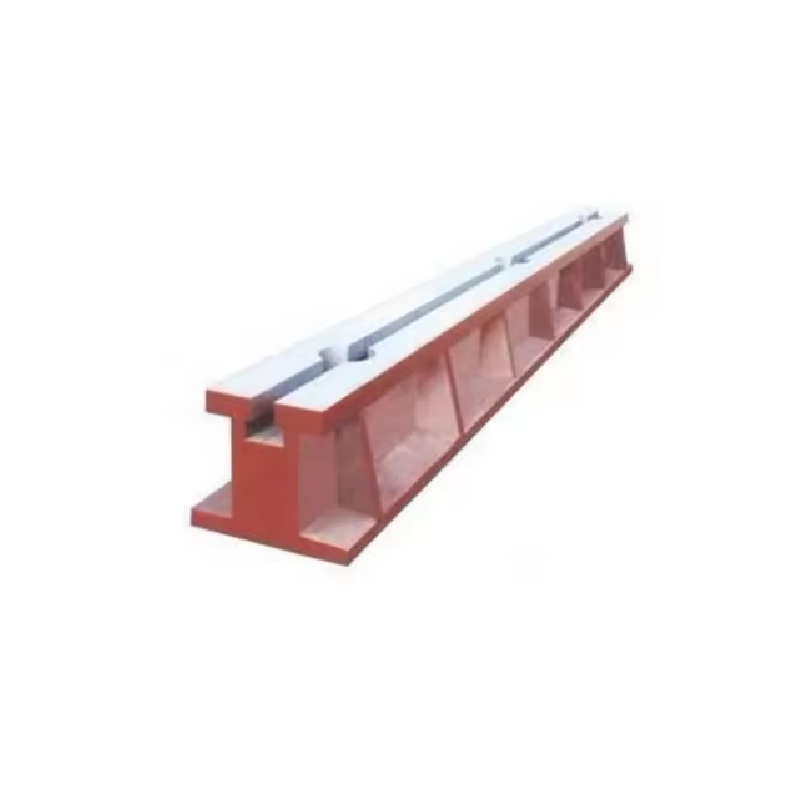
Valves in Water Treatment Plants
In water treatment plants, the seamless operation and optimal performance rely heavily on the functi
 English